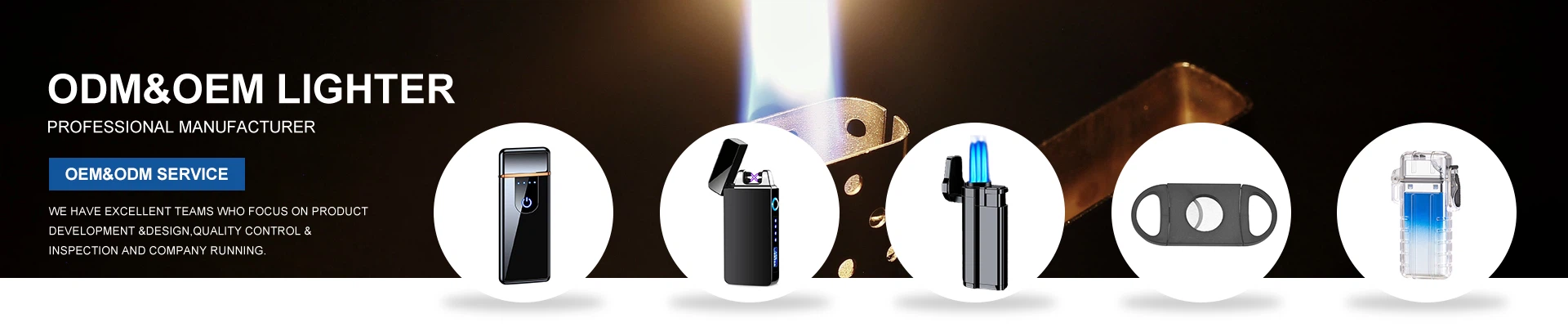
Q: Do you really need a cigar cutter?
A: Yes, a cigar cutter is essential for properly preparing a cigar for smoking. It ensures a clean and precise cut, allowing for a smooth draw and an even burn, enhancing the overall smoking experience.
Q: What is a cigar tip cutter called?
A: A cigar tip cutter is commonly referred to as a cigar cutter, but it is specifically designed to remove the cap or tip of a cigar before smoking. It is different from other types of cutters used for cigars, such as guillotine cutters or punch cutters, which create different styles of cuts.
Q: What is a cigar cutter used for?
A: A cigar cutter is used to remove the cap or tip of a cigar before smoking. By making a clean and precise cut, it allows for a controlled draw and promotes an even burn. This ensures that the flavors and aromas of the cigar are fully enjoyed while preventing the wrapper from unraveling.
Q: Are cigar cutters allowed?
A: The permissibility of cigar cutters largely depends on the specific regulations and policies of the location you are in. In many places, cigar cutters are generally allowed, especially in designated smoking areas or establishments that cater to cigar enthusiasts. However, it's important to check local laws, venue rules, or any restrictions in advance to ensure compliance.
Q: What is considered a novelty lighter?
A: A novelty lighter refers to a lighter that is designed in a unique or unconventional manner, often with decorative or novelty features. These lighters are typically created for aesthetic appeal or novelty purposes rather than for practical or everyday use. They can come in various shapes, sizes, and designs, often featuring themes, characters, or objects that make them visually distinctive.
Q: Are novelty lighters illegal?
A: The legality of novelty lighters varies by jurisdiction. In some places, there may be restrictions or regulations on the sale, distribution, or possession of novelty lighters due to safety concerns. These concerns typically arise from the potential for accidental ignition or misuse by children. It is important to check local laws and regulations to determine the legality of novelty lighters in your specific area.
Q: What is a fancy lighter called?
A: A fancy lighter is often referred to as a luxury or high-end lighter. These lighters are typically crafted with premium materials, sophisticated designs, and advanced functionalities. They are often associated with renowned brands in the luxury goods industry and are sought after by collectors or individuals who appreciate fine craftsmanship and aesthetic appeal.
Q: What is a double lighter for?
A: A double lighter, also known as a dual flame lighter, is designed to provide two flames instead of the typical single flame. The purpose of a double lighter is to offer a more powerful and efficient ignition for lighting cigars, cigarettes, or other items that require a larger flame. The dual flames provide a wider coverage and can be particularly useful in windy conditions or when a stronger flame is needed for an even burn.
Q: Are jet flame lighters better?
A: Jet flame lighters are often considered better for certain purposes. Their concentrated, high-temperature flames make them ideal for lighting cigars, pipes, or other tobacco products, as they provide a precise and powerful ignition. Additionally, jet flame lighters are more resistant to wind interference, making them more reliable in outdoor or windy conditions compared to traditional flame lighters. However, personal preference plays a significant role, and some individuals may still prefer the traditional flame for specific uses or aesthetic reasons.
Q: What is a soft flame lighter?
A: A soft flame lighter is a type of lighter that produces a traditional, gentle flame. It typically utilizes lighter fluid or gas and creates a softer, more diffused flame compared to the concentrated jet flames. Soft flame lighters are commonly used for lighting cigarettes, pipes, or other tobacco products, and they are often favored for their nostalgic appeal and the ability to create a more leisurely and relaxed lighting experience.
Q: How does a jet flame lighter work?
A: A jet flame lighter works by using pressurized fuel, such as butane, and forcing it through a small nozzle or opening. The fuel is then ignited, creating a focused and powerful flame. The nozzle design allows for a concentrated, high-velocity flame that is resistant to wind interference, making it suitable for precision lighting and outdoor use.
Q: What is a disposable lighter?
A: A disposable lighter is a type of lighter that is designed for single-use and is typically made of plastic. These lighters are pre-filled with butane or another fuel and are not intended to be refilled. Once the fuel is depleted, the lighter is discarded. Disposable lighters are commonly inexpensive, portable, and widely available for everyday use.
Q: Can I bring a lighter on a plane?
A: The regulations regarding bringing lighters on a plane vary depending on the airline and the specific country's rules. In general, most airlines allow passengers to bring one small, non-torch, or non-jet flame lighter in their carry-on luggage. However, it's important to check with the airline and the security regulations of the departure and destination airports to ensure compliance with their specific rules.
Q: How long do disposable lighters last?
A: The lifespan of a disposable lighter depends on various factors, including the size of the fuel reservoir and the frequency of use. On average, a disposable lighter can last for several weeks to a few months with regular usage. However, this can vary significantly based on the quality of the lighter, the fuel capacity, and how frequently it is used.
Q: Leather/cloth Surface Wrinkled, Uneven?
A: Reason analysis: sitting for too long, heavy objects are pressed for a long time
Remedy: pat the surface of the leather cloth with your hands and stretch on both sides
Q: What is disposable vs refillable lighter?
A: A disposable lighter is designed for single-use and is typically made of plastic. Once the fuel is depleted, it is discarded. On the other hand, a refillable lighter can be reused by refilling it with fuel once it runs out. Refillable lighters are usually made of metal and can be refueled multiple times, making them a more sustainable and cost-effective option in the long run.
Q: Are torch lighters better for cigars?
A: Torch lighters are generally considered better for lighting cigars due to their concentrated, high-temperature flame. The intense heat of a torch lighter allows for a quick and even ignition, which is important for achieving an optimal burn and draw. Additionally, torch lighters are more resistant to wind interference, making them suitable for outdoor smoking conditions.
Q: Is it OK to light a cigar with a torch lighter?
A: Yes, it is perfectly fine to light a cigar with a torch lighter. In fact, many cigar enthusiasts prefer using torch lighters due to their ability to provide a concentrated and powerful flame. However, it's important to exercise caution and avoid placing the flame directly in contact with the cigar, as excessive heat can damage the wrapper. Instead, hold the flame slightly above the cigar and slowly rotate it to evenly light the foot of the cigar.
Q: What is the difference between a torch lighter and a regular lighter for cigar?
A: The main difference between a torch lighter and a regular lighter for cigars lies in the type of flame they produce. A torch lighter creates a concentrated, high-temperature flame that is ideal for quickly and evenly lighting a cigar, even in challenging conditions. Regular lighters, on the other hand, produce a softer, more diffused flame, which may be suitable for other purposes but can be less efficient for lighting cigars.
Q: What is the best lighter to light a cigar?
A: The best lighter to light a cigar depends on personal preference and the specific lighting experience desired. Many cigar enthusiasts prefer torch lighters, specifically double-flame or triple-flame torch lighters, for their precise and powerful ignition. However, others may enjoy the traditional charm of using a wooden matches or a soft flame lighter, such as a butane or fluid-filled lighter, for a more leisurely and nostalgic lighting process.
Q: What is the function of flint lighter?
A: The function of a flint lighter is to produce a spark that ignites the fuel and creates a flame. When the flint wheel is rotated against the metal striker, friction is generated, resulting in sparks that ignite the flammable gas or liquid fuel in the lighter. This mechanism allows the user to generate a flame for various purposes, such as lighting cigarettes, candles, or other combustible materials.
Q: Are Bic lighters flint?
A: Bic lighters do not use traditional flint and wheel mechanisms. Instead, they employ a piezoelectric ignition system. When the thumb is depressed on the ignition button, it creates a spark through the piezoelectric crystal, which ignites the fuel, resulting in a flame. Therefore, Bic lighters do not rely on flint for their ignition process.
Q: What is the flint in lighters?
A: The flint in lighters refers to a small piece of hard material, typically made of ferrocerium or similar alloys. It is embedded in the flint wheel mechanism of traditional lighters. When the wheel is rotated against the flint, friction is generated, producing sparks that ignite the fuel, ultimately creating a flame. The flint is a critical component that facilitates the ignition process in these types of lighters.
Q: Is lighter fluid and kerosene the same?
A: Lighter fluid and kerosene are not exactly the same, although they share some similarities. Lighter fluid is a specific type of highly refined, low-odor petroleum distillate designed for use in lighters. On the other hand, kerosene is a broader category of flammable hydrocarbon liquids, typically used as a fuel for lamps, heaters, and stoves. While kerosene can sometimes be used as a substitute for lighter fluid in certain situations, it is important to note that they may have different formulations and characteristics, so it is generally best to use the fuel specified by the manufacturer for your lighter.
Q: What color is kerosene lighter fluid?
A: Kerosene lighter fluid typically has a color that ranges from clear to a pale yellowish tint. The exact color may vary depending on the specific brand or formulation. However, it is important to note that lighter fluids may also come in different colors due to added dyes or other additives, so it's always best to refer to the product label or instructions for accurate information regarding a particular brand or type of lighter fluid.
Q: Is kerosene heavier than water?
A: No, kerosene is lighter than water. Kerosene has a lower density than water, which means that it will float on top of water rather than sinking. This property is utilized in various applications, such as separating kerosene from water in oil-water mixtures.
Q: Are rechargeable lighters any good?
A: Rechargeable lighters can be a convenient and eco-friendly alternative to disposable lighters. They eliminate the need for constant refills or replacements and often feature a longer lifespan. However, the overall quality and performance can vary depending on the specific brand and model, so it's important to choose a reputable rechargeable lighter that suits your needs.
Q: Can a rechargeable lighter light a cigarette?
A: Yes, a rechargeable lighter can light a cigarette. Rechargeable lighters, particularly those equipped with an electric arc or plasma beam technology, are specifically designed to generate a controlled and reliable flameless ignition. By creating a high-voltage electrical arc, these lighters can effectively light a cigarette or other combustible materials without the need for a traditional flame.
Q: How long does a rechargeable lighter take to charge?
A: The charging time for a rechargeable lighter varies depending on the specific model and its battery capacity. On average, it can take anywhere from one to two hours to fully charge a rechargeable lighter. However, it's important to consult the manufacturer's instructions or specifications for accurate charging times, as it may vary between different brands and models.
Q: How long do USB lighters last?
A: The duration of a USB lighter depends on several factors, including the quality of the lighter, the battery capacity, and usage patterns. On a full charge, USB lighters can typically last for several weeks or even months of regular use. However, the exact duration can vary significantly based on factors such as the frequency and duration of use, as well as the specific design and battery efficiency of the lighter.
Q: Are USB lighters worth it?
A: USB lighters can be worth it for individuals who value convenience, eco-friendliness, and the long-term cost savings compared to disposable lighters. They eliminate the need for refills or replacements, are rechargeable, and often have a longer lifespan. However, personal preferences and specific needs should be considered when determining if a USB lighter is worth it for an individual.
Q: Can I take a USB lighter on a plane?
A: The permissibility of carrying a USB lighter on a plane depends on the specific airline and aviation regulations in place. In general, USB lighters that do not contain any fuel or hazardous materials are allowed in carry-on luggage. However, it is recommended to check with the airline and review the transportation security guidelines of the departure and destination airports to ensure compliance with their specific rules and restrictions.
Q: Do USB lighters need gas?
A: No, USB lighters do not require traditional fuel sources like butane or lighter fluid. They use electricity to generate an electric arc or plasma beam for ignition. USB lighters are powered by rechargeable batteries that are charged through a USB port, eliminating the need for gas refills and making them a more sustainable option.
Q: Are USB lighters eco friendly?
A: USB lighters are generally considered more eco-friendly compared to disposable lighters. They eliminate the need for single-use plastic lighters that contribute to landfill waste. USB lighters are rechargeable and can be used for an extended period, reducing the overall environmental impact associated with disposable lighter production and disposal.
Q: Are arc lighters any good?
A: Arc lighters can be an excellent choice for many people. They offer several advantages such as flameless ignition, wind resistance, and durability. Arc lighters, particularly those using electric arc or plasma beam technology, provide a reliable and convenient way to light candles, cigarettes, or other items without the need for fuel or an open flame.
Q: What is an arc cigarette lighter?
A: An arc cigarette lighter, also known as an electric arc lighter or plasma lighter, is a type of lighter that uses an electric arc or plasma beam for ignition. It works by generating a high-voltage electrical arc between two electrodes, creating a controlled and flameless source of heat. This technology allows for convenient and wind-resistant lighting of cigarettes, candles, or other combustible materials.
Q: What is the difference between butane and arc lighters?
A: The main difference between butane lighters and arc lighters lies in the ignition mechanism and the type of flame they produce. Butane lighters utilize flammable gas as fuel and produce a traditional flame, whereas arc lighters use electric arcs or plasma beams for ignition, creating a flameless and controlled source of heat. Additionally, butane lighters require periodic refilling, while arc lighters are often rechargeable.
Q: How powerful is an arc lighter?
A: Arc lighters can generate a powerful and concentrated source of heat. The temperature of the electric arc can reach around 900 to 1,200 degrees Celsius (1,650 to 2,200 degrees Fahrenheit), making it capable of igniting various combustible materials efficiently. The intensity of the heat produced by an arc lighter makes it suitable for quickly and reliably lighting cigarettes, candles, or other items.
Q: Is butane or propane better for gas torch?
A: The choice between butane and propane for a gas torch depends on the specific application and requirements. Butane is commonly used for smaller torches, such as culinary torches or hobbyist torches, as it provides a more precise and controlled flame. Propane, on the other hand, is often used for larger torches or heavy-duty applications due to its higher heat output and better performance in outdoor or windy conditions. Ultimately, the selection should be based on the intended use and the specific characteristics desired for the torch.
Q: Can propane be used for a torch?
A: Yes, propane can be used as fuel for torches. Propane torches are commonly used for various applications such as soldering, brazing, heating, and even as culinary torches. Propane provides a hot and powerful flame that is suitable for tasks requiring higher temperatures or when working in outdoor or windy conditions.
Q: What is LPG gas torch?
A: An LPG gas torch is a type of torch that utilizes LPG (liquefied petroleum gas) as its fuel source. LPG is a mixture of propane and butane gases commonly used for heating, cooking, and various industrial applications. LPG gas torches are versatile tools that can produce a hot flame for tasks such as soldering, brazing, welding, or even outdoor activities like camping or outdoor cooking.
Q: What is the best gas for a torch?
A: The best gas for a torch depends on the specific requirements of the task at hand. Propane is commonly regarded as a versatile and efficient fuel for torches, offering a high heat output and suitability for a wide range of applications. However, other gases like butane or acetylene may be preferred for certain specialized tasks or specific torch designs. It is recommended to consult the torch manufacturer's recommendations and consider the specific needs of your intended application to determine the most suitable gas choice.
Q: What is a fire gun torch called?
A: A fire gun torch is commonly known as a blowtorch. Blowtorches are handheld tools that use a fuel source, such as butane or propane, to produce a controlled flame for various applications like soldering, brazing, welding, or heating. They are often used in plumbing, metalworking, culinary arts, and other industries where a portable and concentrated heat source is required.
Q: How hot is a gas torch flame gun?
A: The temperature of a gas torch flame can vary depending on the fuel used, the torch design, and the adjustment of the flame. Generally, gas torch flames can reach temperatures ranging from around 1,100 to 1,600 degrees Celsius (2,000 to 2,900 degrees Fahrenheit). However, it's important to note that the temperature can be further controlled by adjusting the flame size and intensity.
Q: Which gas is used in flame gun?
A: The gas commonly used in flame guns or blowtorches is typically propane or butane. Both gases are commonly available and widely used for various heating, soldering, and brazing applications. Propane is often preferred for its high heat output, while butane is known for its ease of use and portability. The specific gas used may depend on factors such as the torch design, availability, and the requirements of the intended application.